Eco-Friendly Pest Control: Safe Solutions for Your Family and the Environment
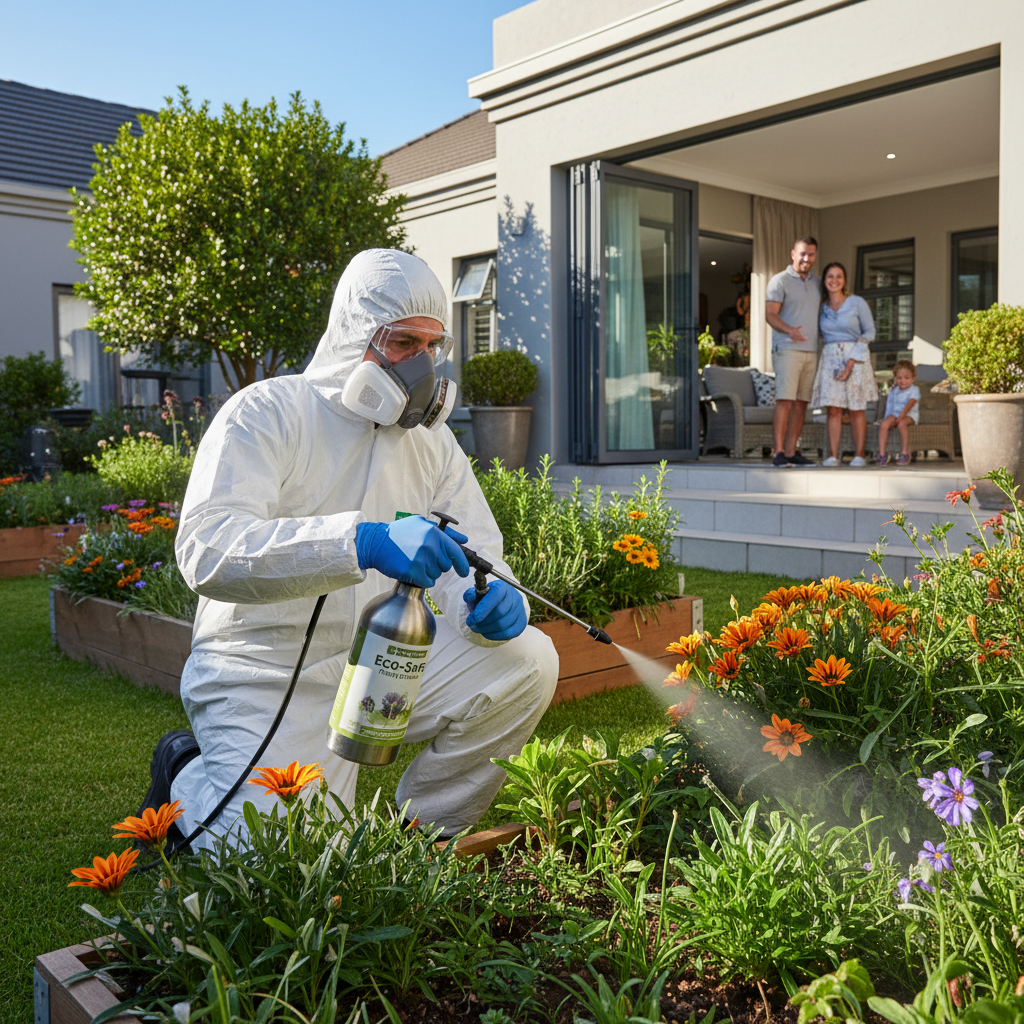
One of the most common concerns we hear from homeowners is about the safety of pest control chemicals — particularly in households with young children, pets, or family members with respiratory conditions. It's a completely valid concern, and one that the pest control industry has taken seriously over the past decade.
Modern pest management has moved significantly away from high-toxicity, broad-spectrum pesticides toward targeted, lower-risk approaches that are effective against pests while minimising impact on people, pets, and the broader environment.
What Does "Eco-Friendly" Actually Mean in Pest Control?
In the pest control industry, eco-friendly (or "green") pest control refers to an approach known as Integrated Pest Management (IPM). Rather than defaulting to chemical applications, IPM prioritises:
- Prevention first: Identifying and eliminating conditions that allow pests to thrive — moisture, food sources, entry points.
- Targeted treatments: Using the smallest amount of the most appropriate product in the most specific location, rather than blanket spraying.
- Low-toxicity products: Preferring botanical, biological, or low-mammalian-toxicity formulations where they are effective.
- Monitoring: Regular inspections to catch problems early, reducing the need for heavy interventions.
Are Eco-Friendly Treatments as Effective?
Yes — when used correctly by trained professionals. In many cases, targeted eco-friendly treatments outperform broad-spectrum sprays because they're applied precisely where pests live and breed, rather than across large open areas where most of the product goes to waste.
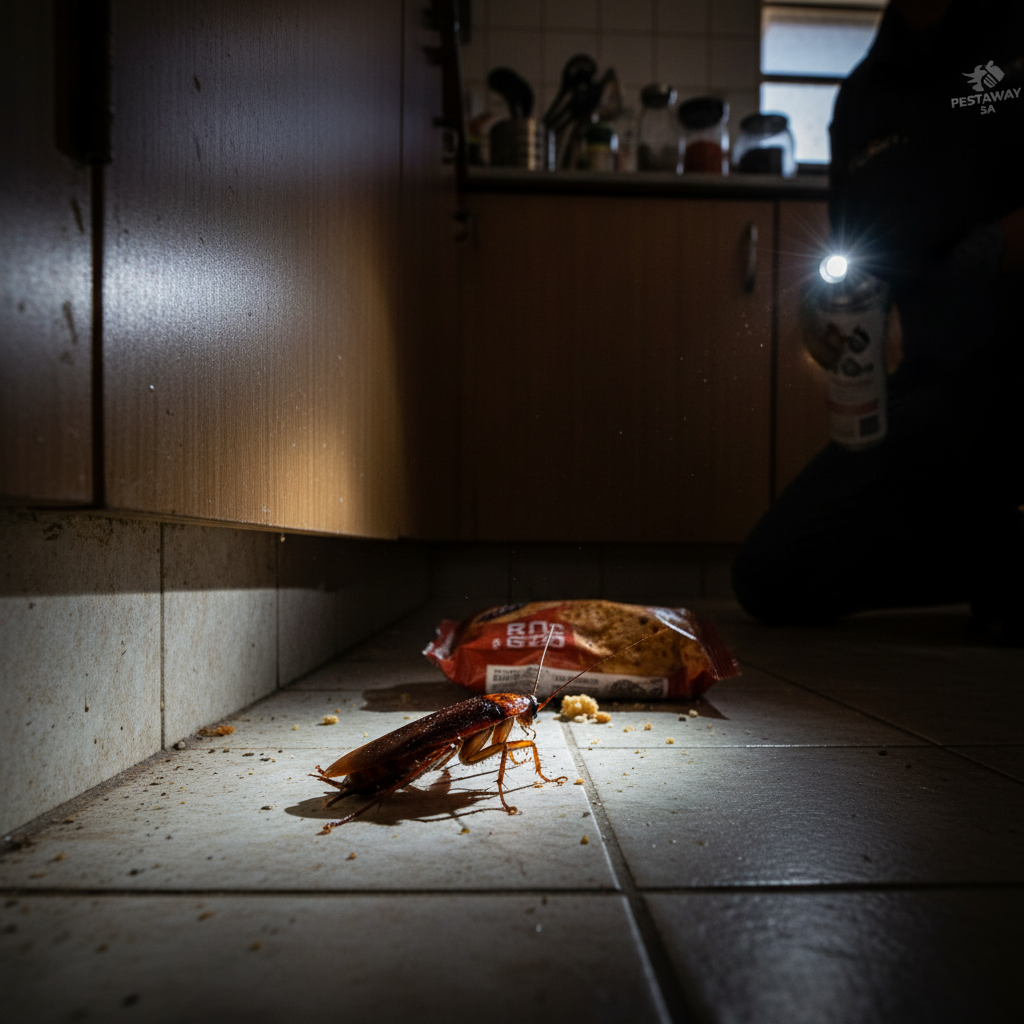
For example, professional gel baiting for cockroaches uses a tiny amount of active ingredient applied exactly where cockroaches harbour. This is more effective than spraying entire kitchen surfaces, causes less chemical exposure, and has no odour or residue on food preparation areas.
Products We Use and Avoid
Registered pest control professionals in South Africa are required to use only products registered with the Department of Agriculture, Land Reform and Rural Development (DALRRD). These products have been tested for safety and efficacy. As professionals, we prioritise products with:
- Low mammalian toxicity (safe around pets and children when dry)
- Minimal environmental persistence (break down naturally)
- No harmful residues on food surfaces
- Targeted mode of action against specific pests
Re-Entry Periods and Safety After Treatment
Every professional pest treatment includes a re-entry interval — the time you should wait before re-entering treated areas. For most modern residential treatments, this is between 1 and 4 hours. Your technician will always advise you on specific precautions for your treatment, including ventilating the space, covering fish tanks, and keeping pets away during application.
What You Can Do to Reduce Chemical Use
The most effective pest control programmes are collaborative. The more you do to make your property inhospitable to pests, the less chemical intervention is needed. Simple habits — keeping food sealed, fixing leaks, sealing entry points, and maintaining a clean environment — dramatically reduce pest pressure and the need for frequent treatments.
At Trusted Pest Control, we are committed to using responsible, registered products and applying them with precision to protect your family, your pets, and the environment. Contact us to discuss an eco-friendly pest management programme tailored to your property.